By Steven Burns
August 28, 2026
Asphalt is widely used for residential and commercial surfaces because it provides a practical balance of durability, flexibility, appearance, and cost. Driveways, parking lots, private roads, walkways, and other paved areas all face different levels of traffic and environmental exposure, so the appropriate approach can vary considerably from one property to another. Choosing the right asphalt service involves understanding the condition of the existing pavement, expected traffic, drainage needs, climate, and long-term maintenance requirements. From new paving and sealcoating to repairs and resurfacing, several options are available to help property owners create and maintain reliable paved surfaces.
Understanding Asphalt Paving
Asphalt paving is commonly used for new construction and the replacement of surfaces that have deteriorated beyond practical repair. The process generally begins with site preparation, including excavation, grading, and construction of a stable base. Contractors then place a mixture of aggregates and asphalt binder over the prepared area before compacting it to create a smooth, dense surface. Proper preparation is especially important because an unstable base or inadequate drainage can contribute to cracking, settling, and premature pavement failure.
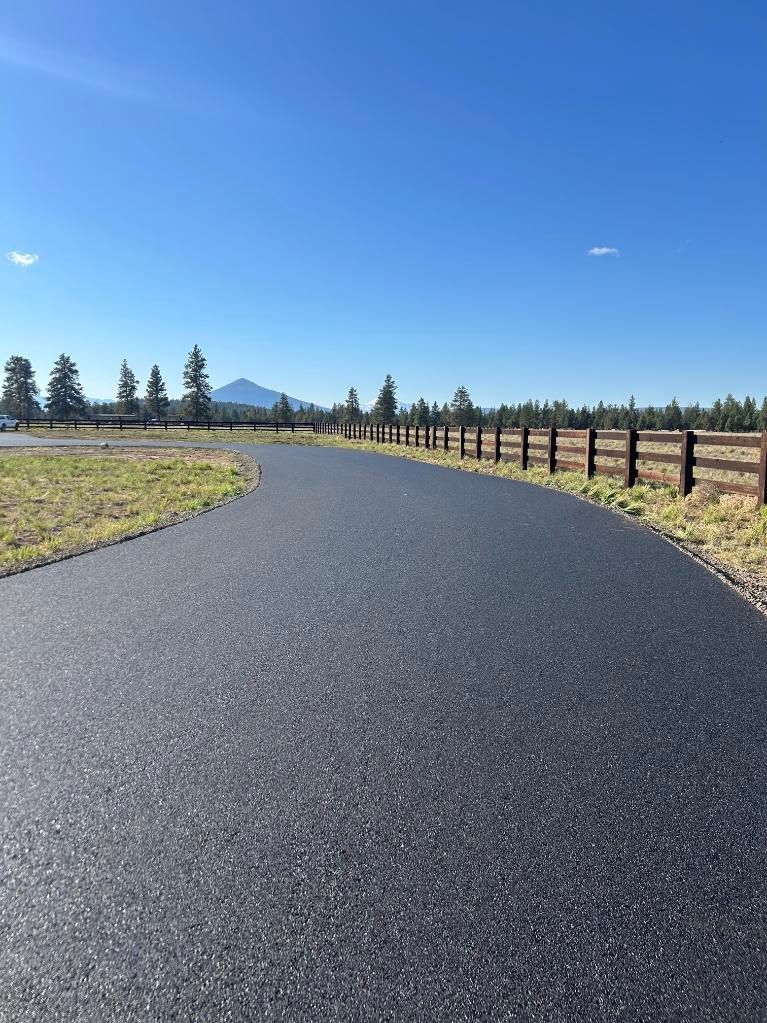
Residential paving projects frequently include driveways, private lanes, and recreational areas. Because these surfaces generally receive lighter traffic than commercial pavement, their design can be adjusted to accommodate typical passenger vehicles while considering local soil and weather conditions. A professional asphalt service can evaluate the site before installation to determine appropriate grading, base preparation, pavement thickness, and drainage. Careful planning helps create a surface capable of handling regular use while maintaining a neat appearance around the property.
Commercial paving requires additional consideration because parking lots, access roads, loading areas, and industrial properties may experience frequent traffic from cars, delivery trucks, and heavy equipment. Pavement thickness and base construction may need to accommodate these increased loads. Commercial projects may also incorporate curbs, drainage structures, accessible parking areas, pavement markings, and traffic-control features. Planning these elements together helps create a functional paved area that supports efficient vehicle and pedestrian movement.
Recognizing the Benefits of Asphalt Paving
One advantage of asphalt is that installation can often be completed relatively quickly compared with some alternative paving materials. This can reduce interruptions for homeowners and businesses, particularly when access to garages, parking spaces, storefronts, or loading areas is important. Once appropriately cured and opened to traffic, the surface provides a smooth area for vehicles and pedestrians. Asphalt's flexibility also allows it to accommodate minor movement caused by changing temperatures and ground conditions.
Cost is another important consideration. Initial expenses depend on the project's size, site preparation requirements, material quantities, labor, accessibility, and local market conditions. Property owners should consider long-term expenses as well as the initial installation price. Properly constructed pavement that receives routine maintenance may remain functional for many years. According to IBISWorld, the market size of paving contractors in the U.S. is estimated to reach $17.6 billion in 2026, demonstrating the significant role paving work plays in property development and infrastructure maintenance.
Protecting Pavement With Sealcoating
Sealcoating is a preventive maintenance method intended to protect an existing asphalt surface. Over time, pavement is exposed to sunlight, precipitation, vehicle fluids, temperature fluctuations, and routine traffic. These conditions can gradually cause the surface to fade, dry out, and become more vulnerable to deterioration. An asphalt service that includes sealcoating applies a protective coating over suitable pavement to help reduce exposure to these damaging conditions while restoring a darker, more uniform appearance.
Before sealcoating begins, the pavement should be carefully inspected and prepared. Dirt, loose material, vegetation, and other debris must be removed so the coating can bond effectively. Oil spots may require additional treatment, while cracks and potholes should generally be repaired before the sealcoat is applied. Depending on the size and condition of the property, contractors may use spray equipment, squeegees, brushes, or a combination of application methods to create consistent coverage.
Weather conditions also influence the success of a sealcoating project. Appropriate temperatures and dry conditions are generally necessary for proper application and curing. After the coating is installed, vehicles and pedestrians may need to remain off the treated area for a specified period. Property owners should therefore schedule the work carefully, particularly for busy commercial properties where parking and vehicle access must be maintained. Dividing larger parking lots into sections may help minimize operational disruptions.
Repairing Cracks and Potholes
Even well-constructed pavement can eventually develop damage. Cracks may form because of temperature changes, water infiltration, heavy traffic, ground movement, or aging materials. Small cracks can allow moisture to enter the pavement structure, potentially weakening the base and contributing to larger problems. Crack sealing or filling is often used to address these openings before deterioration becomes more extensive. Selecting an appropriate repair material depends on the crack's type, width, location, and overall pavement condition.
Potholes typically require a different repair approach. Loose and damaged material is removed, the affected area is cleaned, and new asphalt material is placed and compacted. An asphalt service may also recommend patching for isolated sections that have failed while the surrounding pavement remains structurally sound. Addressing damaged areas promptly can improve driving conditions, reduce trip hazards, and limit the possibility that deterioration will spread into neighboring pavement.
Restoring Surfaces Through Resurfacing
When pavement has widespread surface deterioration but still has a reasonably stable foundation, resurfacing may provide an alternative to complete reconstruction. The process generally involves preparing the existing pavement and installing a new asphalt layer over it. Milling may first be used to remove part of the old surface, correct elevations, or create space for the new material. This approach can restore a smoother driving surface while addressing aging, oxidation, shallow cracking, and other surface-level problems.
Resurfacing is not appropriate for every property. If extensive structural failure, severe drainage problems, or major base deterioration is present, covering the existing pavement may only conceal the underlying problem temporarily. A detailed evaluation is therefore important before selecting this option. An experienced asphalt service can examine cracking patterns, settlement, drainage, and pavement stability to determine whether resurfacing or more extensive reconstruction is appropriate.
Improving Drainage and Pavement Performance
Water management is an important part of pavement performance. Standing water can penetrate cracks and weakened areas, contributing to erosion and deterioration beneath the surface. In climates that experience freezing temperatures, trapped water may expand and contract through repeated freeze-thaw cycles, creating additional stress. Proper grading directs water away from the paved area, while drains, curbs, swales, and other features can help manage runoff on larger properties.
Drainage should be considered during new installation as well as during repairs and renovations. Areas where water repeatedly pools may indicate improper slopes, clogged drainage structures, settlement, or other underlying concerns. Correcting the source of the problem can be more effective than repeatedly repairing damage caused by moisture. Property owners should also keep drainage structures clear of leaves, sediment, and debris to support consistent water movement throughout the year.
Regular inspections and timely maintenance can help property owners respond to problems while they remain manageable. Obtaining a professional assessment can also clarify whether paving, patching, resurfacing, sealcoating, or reconstruction offers the most appropriate solution. By choosing an asphalt service based on actual pavement conditions rather than appearance alone, residential and commercial property owners can create a maintenance strategy that supports safety, performance, appearance, and long-term value.